Between Elections, Who's Still at the Store? The Case for Presence-Based Organizing
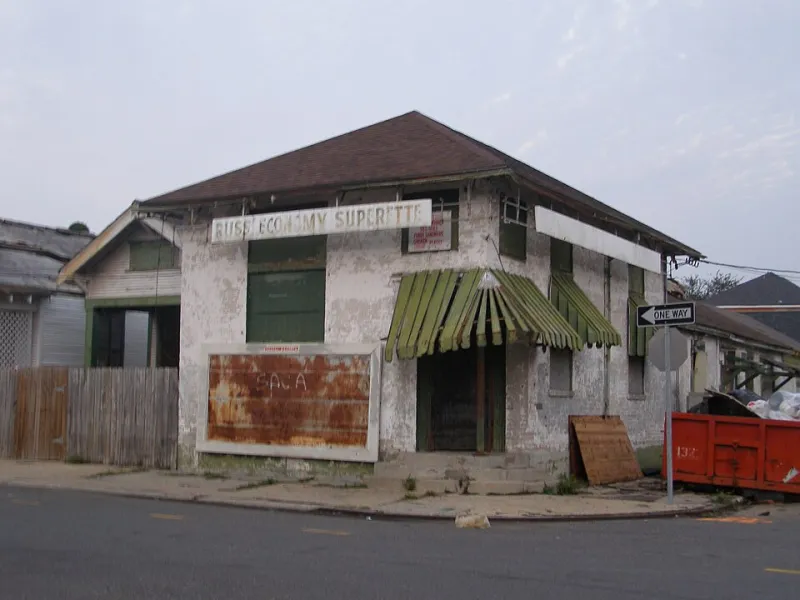
Photo: Karen Apricot, CC BY-SA 2.0, via Wikimedia Commons
There are two kinds of people at the corner grocery. There are the regulars — the ones who know which cashier works which shift, who chat in the produce aisle without checking a phone, whose presence is so woven into the place that their absence would be noticed. And there are the visitors, who blow through twice a year with a basket and a deadline, friendly enough, remembered by no one.
American civic life is dominated by visitors. Advocacy organizations materialize in the months before an election. Nonprofits appear when a grant requires community input. Campaigns knock on doors for six weeks and then, win or lose, the doors stay closed for another two years. Everyone involved calls this engagement. Communities experience it as a transaction — and they are not wrong.
The Transactional Habit
The pattern is understandable and still corrosive. Organizations operate on funding cycles, election calendars, and reporting deadlines, so they show up when the institutional calendar demands presence. But from the neighborhood's side of the counter, the pattern reads clearly: you come when you need something.
And communities respond accordingly. They give polite, guarded answers to your survey. They attend your event for the free dinner. They nod along and then solve their problems through channels that have nothing to do with you — the church basement, the barbershop, the group text, the neighbor who actually shows up in January.
This is not apathy. It is a rational response to being treated as a resource rather than a relationship.
What Presence Actually Costs
Presence-based work is harder, slower, and largely invisible to funders, which is precisely why it is rare. It looks like this:
Attending without an agenda. Showing up to the school board meeting, the church anniversary, the memorial — as a participant, not a presenter. No table, no sign-in sheet, no pitch. This is where the real information about a community lives, and it cannot be collected, only absorbed.
Keeping commitments in the off-season. If you told residents in October you'd follow up on the lighting issue, following up in February — when no grant is watching — is the entire point. The off-season is where trust is actually made.
Budgeting for presence. Line items for relationship maintenance — staff time at community events, memberships at the local church or business association, sponsorship of the block party that serves no strategic purpose — feel like waste on a spreadsheet. They are the rent you pay for standing in the neighborhood.
Letting the community see your calendar. Organizations that appear only on their own schedule are, functionally, tourists. Publish where you'll be. Be findable in the months when you need nothing.
The Political Case
Here is what should make this urgent rather than merely virtuous: presence is the precondition for power. Every serious organizing tradition in American history — from SNCC's decades of slow, patient relationship-building in the rural South to the union halls that survived lean years on the strength of membership — understood that the ability to mobilize a community is built in the intervals between campaigns, not during them.
Organizations that parachute in for election season can win a cycle. Organizations that have been at the store every week for five years can change what the community believes is possible. Only one of those is durable.
Becoming a Regular
The shift does not require a new program or a rebrand. It requires an honest accounting of your organization's pattern of appearance — the same audit you would run on any other habit. Chart when your staff are physically present in the neighborhood against when your institutional calendar creates pressure to be there. If the two overlap almost perfectly, you have your answer.
Then start small. Pick one recurring community event with no strategic value to your mission and attend it for a year. Send a different staff member each time. Say almost nothing. It will feel inefficient. It is meant to.
Because the regulars at the store are not there for the groceries. They are there because, at some point, they decided this place was theirs to belong to — and the neighborhood decided to believe them. Civic institutions that want to be trusted should study that exchange closely. It cannot be bought, and it cannot be rushed. It can only be kept.